
Why should you put decals on your work truck?
The Blank Truck Thing
I was driving around Red Deer the other day and I couldn’t stop noticing it.
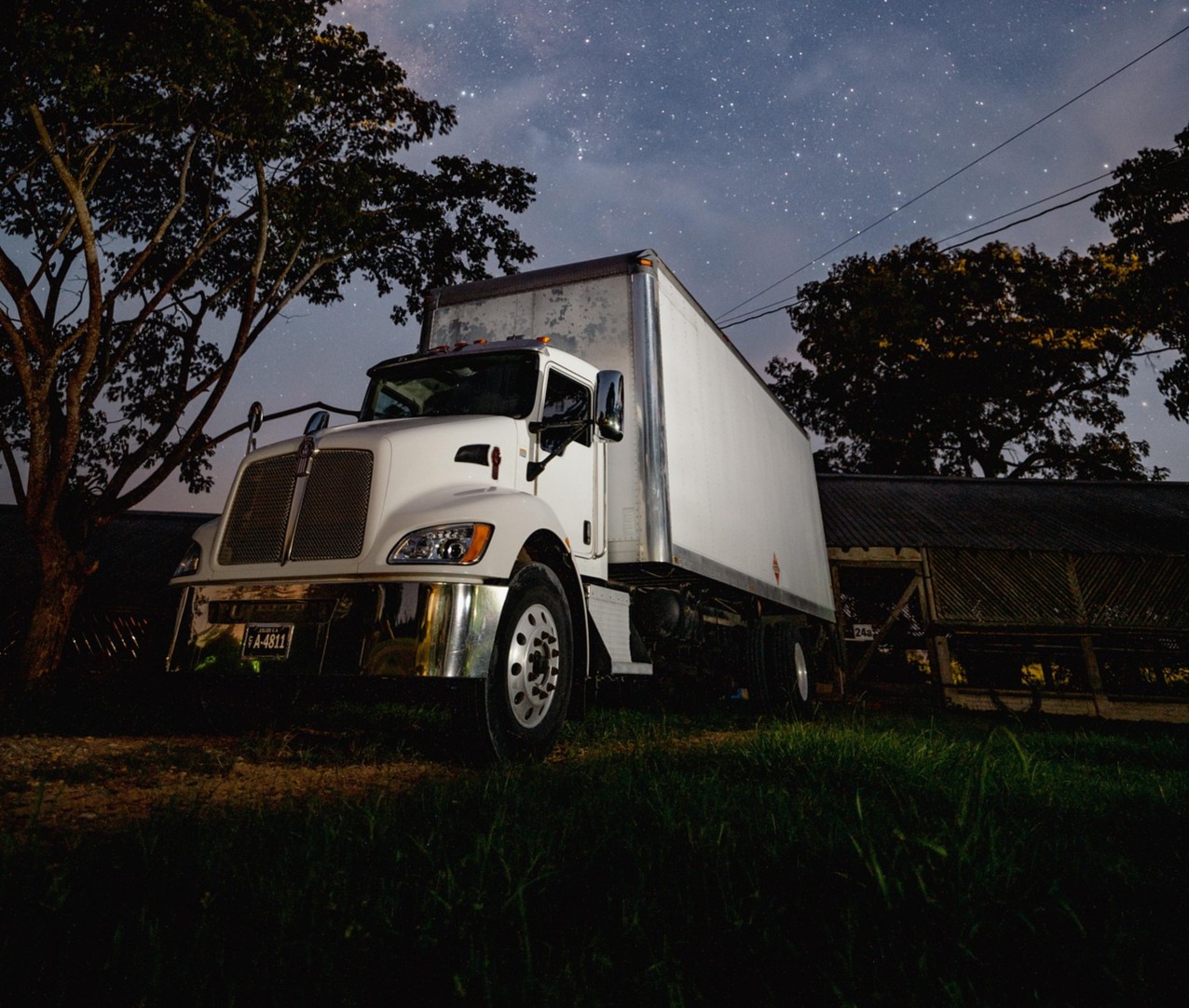
So many box trucks and service vans with nothing on them. No company name. No phone number. No website. Just a big white rectangle doing paid work and pretending it’s anonymous. At first I thought, “Maybe I’m overthinking it.” Then I thought, “No… this is actually weird.”
Because if you’re already paying for the truck… and the fuel… and the insurance… and the driver… why wouldn’t you let the thing do a bit of work for you while it’s out there?
And yes, I know, people roll their eyes at “mobile billboard” talk. Fair. It’s usually said by someone trying to sell you a full wrap with flames on it, but that's not what I'm saying. I do wonder what people think of an unmarked truck when your business shows up in one. Our cultural shortcut for an "unmarked van" is NOT confidence inspiring.
People decide fast whether they will trust a business, and they usually use shortcuts. A marked vehicle says, quietly: “We’re a real outfit.
We’ll still be here next month. We do this often.” A blank one says… nothing, but kinda hints "we're not sure we'll be around next
week".
“Okay, but there are reasons”
You're right, there are. Some of them are even sensible.
If you asked ten owners why they haven’t branded vehicles, you’d hear some version of:
- “It’s expensive.”
- “We might sell the truck.”
- “We haven’t sorted the brand.”
- “If someone drives like an idiot, we’ll get complaints.”
- “It’ll get broken into.”
- “Competitors will see us and poach.”
- “We do too many things to put it on one truck.”
- “We’re just busy.”
None of those sound ridiculous when you say them out loud, and they can actually shape what you should put on your vehicles. The problem is, a lot of those reasons are feelings wearing a business costume. They sound like logic, but they’re really just avoidance of commitment.
The irony is: leaving it blank is also a commitment. You’re committing to being harder to remember.
The question nobody asks
Instead of “Should we wrap the truck?”, ask: “What are we trying to avoid?”
Because every blank truck has a fear sitting behind it.
And once you name the fear, you can usually sort it into three buckets:
- Stuff you can ignore because it’s mostly in your head.
- Stuff you should mitigate because it’s real, but controllable.
- Stuff you need an alternative for because the constraint is legit.
That’s it. That’s the whole game.
A few fears, in plain English
“It’s expensive.”
This one is almost always a framing problem.
You’re comparing branding to “marketing spend”, so it feels optional. But your customer experiences it as risk reduction. A labelled truck makes them feel safer choosing you. A blank truck makes them hesitate, even if they can’t explain why.
If you want a more honest comparison: ask what one lost job is worth. Or how many referrals you’ve had where someone says, “I can’t remember the name, but they had a white truck…”
“We might sell the truck.”
This one can be real, but the answer isn’t “do nothing”. The answer is “don’t make it permanent”. Use something modular, like door decals and a rear panel treatment. Or maybe even magnetic signs that can eaily be shifted around the vehicles. Clean, removable, transferable. You’re not marrying the truck. You’re just putting your name on your own work.
“We don’t have the brand sorted.”
Also real, and also not a good reason to stay invisible. You don’t need a full identity system. You need identification. Even if it is just your name, what you do, and one way to contact you. Most people aren’t judging kerning (though it is important). They’re judging whether you look like you’ll answer the phone.
“We’ll get complaints if we’re recognisable.”
Now we’re getting closer to some of the emotions around branding your work trucks. This fear is legitimate because branding increases accountability, but that’s not a reason to hide. It’s a reason to tighten up behaviour.
If a business can’t put its name on a vehicle because it’s worried about how the team behaves… the vehicle isn’t the problem. It’s just the mirror.
“It’ll attract break-ins.”
Sometimes true. Sometimes an excuse. The practical move is to avoid shouting “TOOLS INSIDE” on the side of the van and keep valuables out of sight, and use sensible security. Besides, thieves don’t need your logo to guess what’s in a contractor van anyway.
“Competitors will poach.”
If a competitor can steal your customers just by seeing your truck on the road, the real issue is retention, not visibility.
You don’t fix that by hiding. You fix it by being the obvious choice to stay with.
So what should you actually do?
You don’t need to go from blank to full wrap overnight.
Just stop being anonymous.
If you do nothing else, put your identity where people actually see it:
- doors
- rear doors
- clean and readable from a distance
And make it boring in the best way: professional, consistent, obvious.
The quick “what do I do with my worry?” flow chart
Here’s the simple decision tool that might help you decide what makes sense for you.
If you’ve made it this far, you’ve probably noticed the pattern: most “reasons” for a blank truck aren’t reasons, they’re worries. Some you can ignore. Some you can manage. Some need a more flexible approach.
But doing nothing is still a choice. And it usually means you’re paying to drive around a trust gap.
Start small, and be readable. But please, put your name on your work.