What's the difference between a "Logo" and a "Brand"?
People call a logo a "brand”, but it’s not, really. A brand is what exists in the public’s mind. It’s the bundle of expectations and experiences people attach to you over time. It’s what they assume will happen if they hire you, how they think they’ll feel dealing with you, and whether they trust you.
A logo is brand identity. It’s shorthand. A visual handle that helps people recognise you and retrieve that meaning quickly. That’s all.
So what is branding?
Branding is the deliberate work of shaping and maintaining what gets attached to that handle.
That means two things, done with discipline:
-
Shaping expectations (before they’ve used you)
This is where marketing shows up. You’re teaching people what you do, who you’re for, and what they should expect. Done well, it reduces perceived risk. Done badly, it creates promises you can’t keep.
-
Shaping experiences (after they’ve used you)
This is operations. Service. Standards. Communication. Follow-through. The actual pattern of what it’s like to deal with you. This is where trust is either earned or destroyed.
Branding works when the expectation you create matches the experience you deliver. When they don’t match, customers feel misled, and that’s hard to recover from.
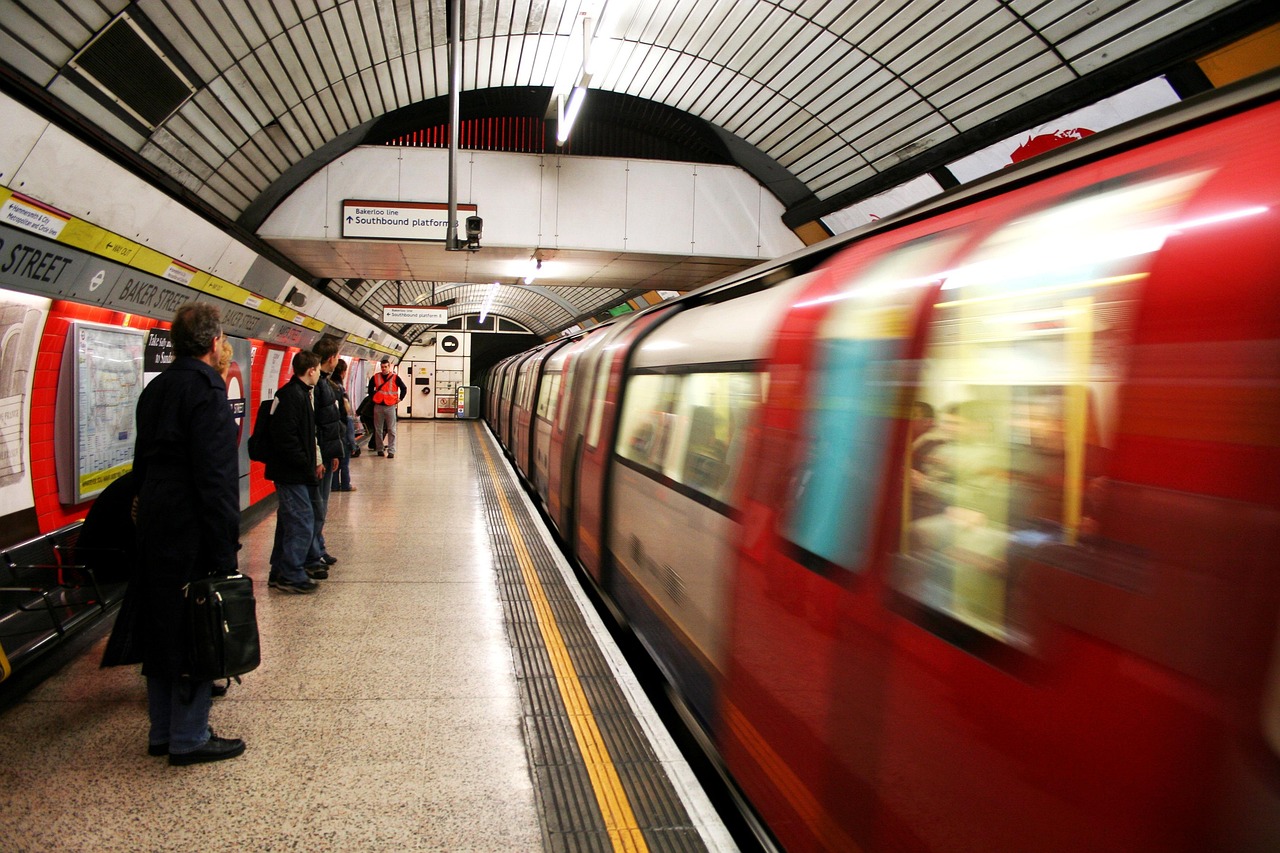
London Transport and the “next train” screens
One of my favourite examples of this is the London Transport Tube system. They're customer satisfaction rates were dismal as everyone expected there to be delays and horrible travel experiences. They realised they were going to have to do something to enhance their reputation (their brand).
They tried all sorts of things, but the biggest improvement came from adding those little signs by the platforms which gave the rider an idea of when the next train was coming. Even in the average wait was exactly the same, they were able to improve customer satisfaction by reducing uncertainty.
They intentionally shaped the expectations of the riders, which reshaped the way the public saw their service.
Those simple platform screens telling people when the next train is coming changed what riders could expect. Waiting without information feels longer and more stressful because your brain can’t plan. A clear countdown turns guessing into certainty. People relax because the system feels dependable.
This is what branding looks like in the real world; changing the experience, and changing the expectations, through a small, consistent touchpoint.
Okay, so what's the point?
If you want to improve your brand, don’t start with “do we need a new logo?”
Start by answering these questions:
- What do people currently expect from us?
- What do they consistently experience with us?
Then ask:
- Is this what we want them to expect and experience?
If not, then you've got some work to do and the gap between these perspectives will give you an idea of where to start doing the hard work of branding.
This doesn't mean you never need to work on your brand identity. In fact, there are times when a logo actually works against what you are trying to have people experience. For example, bright, contrasting colours with a bold blocky font suggest energy and adventure and if you are a Spa trying to have people expect relaxation, this is a mismatch. Working on a logo, brand colours, fonts, etc. is useful because a logo and consistent brand identity helps people recognise you.
But remember, the brand is what they remember when they do recognise you.