
What Building Real Things Is Teaching Me About Design
One thing I have been learning as I get deeper into the print world is that good design is not just about what looks good on a screen. It
also has to do with what can actually be produced well in the physical world.
That probably sounds obvious to people who have been in print for years, but it is something I am only now starting to appreciate more
fully. The more I learn about print, signage, apparel, and branded materials, the more it is shaping the way I think about design itself.
I was watching a video the other day from another print shop that had created its own colour swatch books for customers. The idea was simple. Instead of choosing colours only from a screen, people could see what those colours actually looked like when printed, and how they changed across different substrates or finishes.
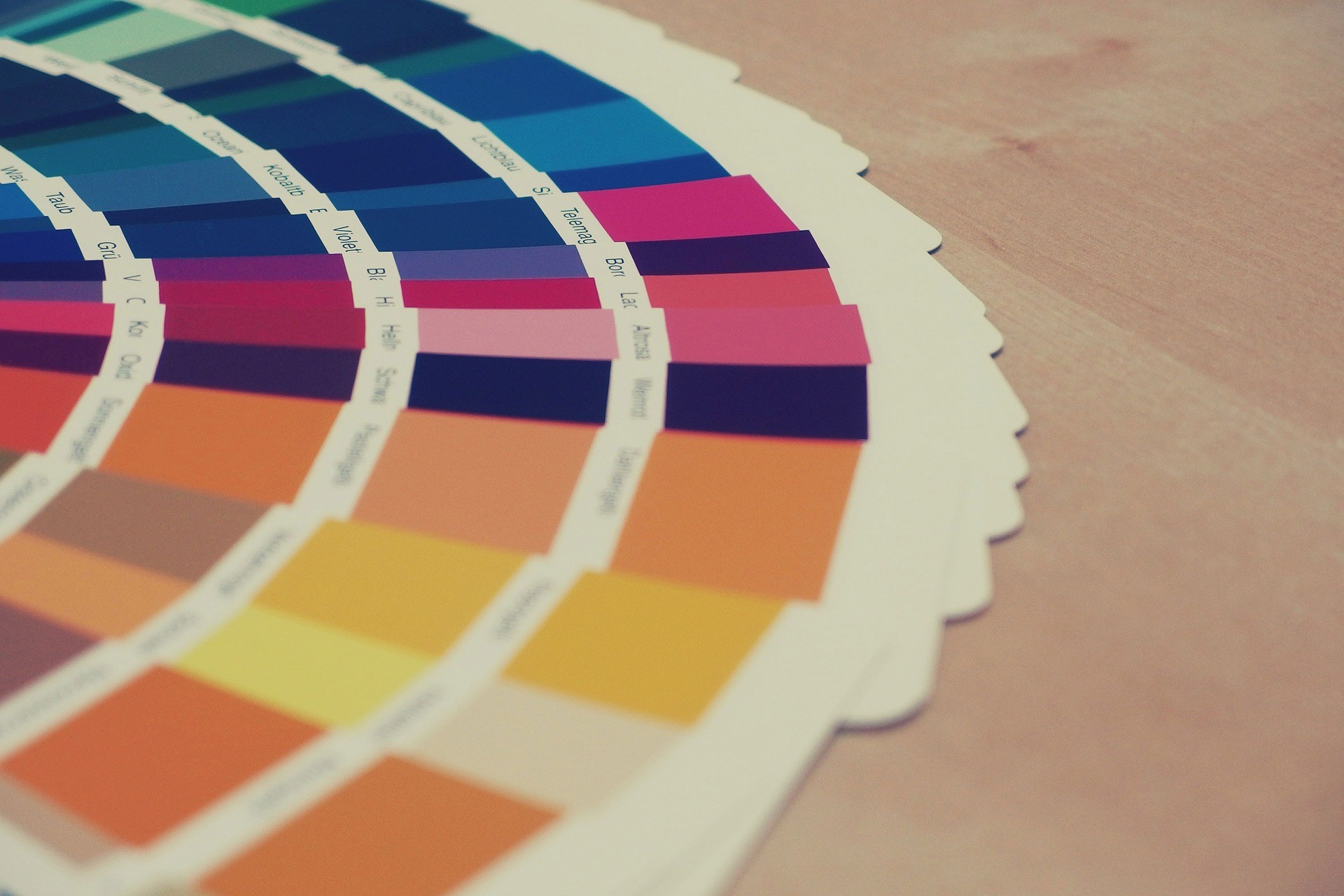
That struck me, because it highlights something easy to miss in branding and design work today, not everything that looks good digitally can be reproduced well physically.
Some colours look great on screen but shift when printed in CMYK.
Some gradients do not translate well across different print methods or onto embroidered apparel.
Some details disappear when scaled, stitched, cut in vinyl, or applied to textured materials.
Some AI-generated designs look polished at first glance, but are not built with real production constraints in mind.
This means that the questions asked during the process of design should include whether that design will work on real world materials. Will this still work when it leaves the screen?
That matters more than people think, because brands are not only experienced online. They show up on signs, vehicles, business cards, brochures, apparel, packaging, trade show displays, and all sorts of physical pieces people interact with in the real world.
So if a brand identity only works digitally, it is incomplete.
That is one of the things I am learning right now. The physical side of branding is not just execution after the design is done. It should shape the design from the beginning.
While the constraints can be an annoyance to work around, they also should be a part of the brief. In a strange way, that is helpful, because once you accept the limits of real materials, real inks, real fabric, and real production methods, you can design something stronger, simpler, and more consistent.
Something that actually holds together wherever the brand shows up. Not just something that looks impressive online.
That is the kind of design thinking I am trying to pay more attention to now.